Food additives are substances added to foods to maintain flavor or enhance taste, appearance, or other qualities.
Food additive, any of various chemical substances added to foods to produce specific desirable effects. Additives such as salt, spices, and sulfites have been used since ancient times to preserve foods and make them more palatable. With the increased processing of foods in the 20th century, there came a need for both the greater use of and new types of food additives. Many modern products, such as low-calorie, snack, and ready-to-eat convenience foods, would not be possible without food additives. There are four general categories of food additives: nutritional additives, processing agents, preservatives, and sensory agents. These are not strict classifications, as many additives fall into more than one category.
Additives enhance food's nutritive value:There are different types of food additives that help in the improvement or maintenance of food's nutritive value. Food additives may be broadly classified as nutritional or non-nutritional. The nutritional additives improve the nutritive value, or the value of food for growth, or for maintaining life, or for promoting the health and vigor of humans and animals, and also increase their usefulness in the production of food and feedstuffs.
They make food last longer:Food additives are basically a requirement when it comes to keeping food safe and healthy for consumption for a long time and making sure that it tastes fresh and delicious. Food is nothing but the most basic necessity for every living creature. Having safe food that is unsullied and does not fail to serve its purpose is something we all expect. This is where food additives and preservatives come into the picture.
Enhance the taste and aroma of food:Food additives are primarily used to enhance the taste and aroma of food, preserve it, extend its shelf life, and add color to it. These additives are either artificial or natural and are essentially added to the food to improve or enhance its taste, texture, or, sometimes, appearance. Moreover, there are certain additives that are good for your health. These additives have no harmful effects. But there are also additives that are not good for your health. They may have adverse effects or take a toll on the consumer's body. It must be noted that most of the food additives are classified according to their uses and are kept in different categories.
Food additives may help lose weight:Food additives are also known as food enhancers. They are used to improve or modify the taste or texture of a food. Some of the food additives are also helpful in losing weight. You must know that a number of expert dieticians approve them and prescribe them to their patients who are trying to lose weight and also keep fit at the same time. These additives help to burn the extra fat in the body like nothing else. The food additives that are helpful in losing weight do not have extra calories and are claimed to act as fat blockers.
Our Service
Besides our existing molded products, our group and our research also can do the product as customer special demand, meet the oversea market demand. We control the product quality critically for every step during the manufacturing from custom. We offer technical support that is second to none.
Our Certificate
We regards product quality as the company life. We passed ISO9001, ISO14000:14001, China Quality, Service, and Credit AAA Enterprise.
Advanced Equipment
Scientific research center has 24 R&D personnel, more than 2,000 square meters of R&D experimental sites and 200 acres of experimental pilot test bases, equipped with advanced experimental equipment such as gas chromatographs, liquid chromatographs, and micrometers.
Our Products
Its products include plant growth regulators such as DA-6, atonik, GA3,NAA IBA, IAA, 6-BA, 6 KINETIN,CPPU,biofertilizer, mutual functional water-soluble fertilizer, lawn and garden care products, etc.
Food-Additive Safety
Only those food additives shall be endorsed and included as food additive so far as can be judged on the evidence presently available from JECFA, present no appreciable health risk to consumers at the use levels proposed.
The inclusion of a food additive shall have taken into account any ADI, or equivalent safety assessment established for the additive by JECFA and its probable daily intake from all food sources. Where the food additive is to be used in foods eaten by special groups of consumers (e.g., diabetics, those on special medical diets, sick individuals on formulated liquid diets), account shall be taken of the probable daily intake of the food additive by those consumers.
The quantity of an additive added to food is at or below the maximum use level and is the lowest level necessary to achieve the intended technical effect. The maximum use level may be based on the intake assessment of Codex members or upon a request by the CCFA to JECFA for an independent evaluation of national intake assessments.

A. Additives added to improve the quality of food
1. Colouring agents
The natural colour of the food is often shed out due to processing, hence the colouring agents or dyes are added to restore or improve the colour of the final food product in order to make it appealing to the consumers.
Food colouring agents are a type of food additive and are classified further as Natural colours (extracted from food) and Synthetic colours (Chemically synthesized in laboratories).
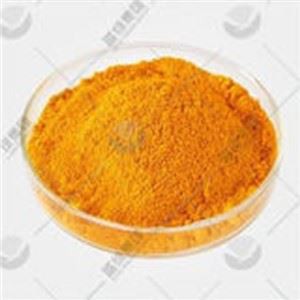
Example: Tartrazine [E102] A synthetic yellow colour used in orange drinks, custard powder, soup and sauces. Curcumin [E100] is a natural yellow colour obtained from turmeric.
2. Flavouring agents
Flavours and flavouring agents/enhancers are substances used to enhance a characteristic flavour or impart a specific flavour to the food. Flavouring agents are found to be natural, synthetic, or nature identical forms used in trace amounts which are collectively declared as ‘natural flavour' or ‘artificial flavour' or ‘nature identical flavour'. The most extensively used flavours are Vanillin used in ice-creams and confectionery food products, and Monosodium glutamate used in soups, and sauces [E621].
Sweeteners are also used as flavouring agents to mimic flavour or impart sweet taste which is similar to common sugar. Sucrose is the main sweetener which is commonly used in the food industry. Natural and Synthetic (Chemically derived) sweeteners are often added as a substitute for common sugar like Xylitol [E967] and Aspartame [E951], Maltitol and Maltitol syrup [E965], Sucralose [E955], etc.
3. Texturing agents
Emulsifiers - Emulsifiers are another type of food additive which help to stabilize a homogenous mixture of two or more non-miscible phases. Example Lecithin [322] an emulsifier is added to Mayonnaise which is an emulsion of water in oil and in Salad dressing, Sauces, Ice-creams, etc.
Thickeners Stabilizers - Thickeners are used to increase the viscosity of the food.
While the Stabilizers are used to maintain the dispersion of emulsion of Non- miscible food. They are usually derived from sea weeds such as Alginates, Carrageenan and their salts. They are used in products of high viscosity such as Jam, jelly, malted milk and sauces and soups.
Examples- Agar-agar [E-406] which is added to Jam to give a specific firm texture.
4. Bleaching and Maturing Agents
These Substances are oxidizing agents which improve the baking quality of food. They are added to freshly milled flours which have a tinge of yellow colour which is changed into grey colour after baking. Hence, Bleaching and Maturing agents help to resolve this discoloration and also give volume to the baked products. Example: Sodium Metabisulphite [E223] is added to refined flour used for baking.
5. Anticaking Agents
This type of food additive help to avoid lumping in the food product. They are mostly used in powdered or granulated food products such as milk powder, protein powders, spice blends, health drinks, etc. Anticaking agents like Magnesium Silicate[E553], Calcium Silicate[E552], Cellulose[E460], etc. are used.
6. Acidity Regulators
Acidity regulators help to stabilize the pH, and alter the acidity or alkalinity of the food product. An Acid Such as Citric acid[E330], Tartaric acid[E334], Sodium phosphates [339} etc, are used along with their Antioxidant properties.
B. Additives added to increase shelf life (Preservatives)
Certain food additives also hinder food deterioration caused by microbial reactions, enzymes or chemical reactions and are classified as Preservatives. Hence they are an indispensable part of the food industry since they help to maintain the shelf life of the food products. The use of preservatives is governed strictly since they impose negative health impacts on humans. Some Natural preservatives are a much more acceptable alternative to Synthetic or Chemical Preservatives. Natural preservatives but they impart undesirable taste in the products. Hence the use of synthetic preservatives is governed by levels of use in food products. The Subclasses of preservatives include-
1. Anti – Microbial agents
They are added to food to avoid Microbial spoilage. Anti-microbial agents such as Sorbic acid [E200] are used to avoid yeast and fungi which causes spoilage in baked products. Sodium Metabisulphite [E223] and Sulphur di-oxides are used extensively in food products such as fruit pulp, juices and dried fruits.
2. Anti-oxidants
Anti-oxidants are used to prevent rancidity which gives off flavour and odour to food due to oxidative spoilage of oil and fatty foods. The Commercial fats and fatty foods such as butter, essential oils, cake-mixes, crisps, etc. include permitted anti-oxidants such as Butylated Hydroxyanisole [E320], and Butylated Hydroxytoluene [E321], Lecithin [322], etc.
Functionality: Define the specific functionality you want the additive to provide. For example, if you need a preservative, consider additives such as citric acid or sodium benzoate. If you want to enhance the texture, consider hydrocolloids like xanthan gum or carrageenan. Understanding your desired outcome will help you narrow down the options.
Safety: Ensure that the selected food additives are approved for use by regulatory authorities such as the Food and Drug Administration (FDA) or the European Food Safety Authority (EFSA). Check for any potential health risks or allergenic properties associated with the additives. Conduct a thorough risk assessment to ensure consumer safety.
Regulatory Compliance: Familiarize yourself with the regulations and guidelines governing food additives in your target market. Different regions may have specific requirements and permitted levels for certain additives. Ensure your chosen additives comply with these regulations to avoid legal issues and maintain consumer trust.
Consumer Preferences: Stay informed about changing consumer preferences and trends. Increasingly, consumers are seeking natural and clean-label products, free from artificial additives. Consider using natural alternatives, organic additives, or additives derived from renewable sources to align with consumer preferences and market demands.
Compatibility and Interaction: Consider the compatibility of the chosen additive with other ingredients in your product formulation. Some additives may interact with certain ingredients, affecting the overall quality or stability of the product. Conduct compatibility tests to ensure the additive integrates well and does not cause adverse effects.
Shelf Life and Stability: Evaluate the impact of the chosen additive on the shelf life and stability of your product. Some additives may extend shelf life, enhance product stability, or prevent spoilage. Consider the storage conditions required for the additive and assess its compatibility with your product's packaging materials.
Sensory Impact: Assess the sensory impact of the additive on the final product. Consider factors such as taste, texture, color, and aroma. Ensure that the additive enhances the sensory attributes of the product and aligns with your target consumers' preferences.
Supplier Reliability: Choose reputable and reliable suppliers for your food additives. Consider their track record, quality control measures, and adherence to industry standards. Establish a good working relationship to ensure consistent supply, technical support, and responsiveness to your needs.
Cost-Effectiveness: Evaluate the cost-effectiveness of the chosen additive. Consider the dosage required, its availability, and the impact on your production costs. Balance the quality enhancement provided by the additive with the overall profitability of your product line.
Choosing the right food additives is a crucial step in the development of successful food products. By considering factors such as functionality, safety, regulatory compliance, consumer preferences, compatibility, shelf life, sensory impact, supplier reliability, and cost-effectiveness, food manufacturers can make informed decisions and select the most suitable additives for their product lines.
Source
One of the main differences between natural and synthetic food additives is their source. Natural food additives are derived from natural sources, such as plants and animals, whereas synthetic food additives are made from chemicals.
Chemical Structure
The chemical structure of natural and synthetic food additives is another important difference. Natural food additives are made up of complex molecules that occur naturally in the environment. On the other hand, synthetic food additives are made up of simple molecules created in a lab.
Processing
The processing of natural and synthetic food additives also differs. Natural food additives are minimally processed and are often used in their natural form. On the other hand, synthetic food additives undergo extensive processing to create the desired chemical structure.
Safety
There is a perception that natural food additives are safer than synthetic food additives. However, this is only sometimes the case. Both natural and synthetic food additives undergo strict safety testing before they are approved for use in food products. The safety of a food additive depends on its chemical properties and the amount used in a product.
Clear labeling of food additives is vital for safe storage. Properly labeling or marking containers helps to identify the contents in each container. This is one of the simplest and most important steps you can take to increase food additive storage safety. Every business should have an organized system for labeling and categorizing goods. This system should be accessible and usable by all responsible team members.
It is important to ensure every team member who has access to the substances should understand and follow all instructions from the manufacturer. One should always use and store food chemicals and additives as directed by the manufacturer following applicable guidelines, rules, and regulations put in place by regulatory agencies.
You also need to consider the environment where food additives are stored. Extreme temperatures, either low or high, may affect product safety or quality. Some food ingredients may require different temperatures than others, resulting in the need for separate storage. The environment in which food additives are stored should be maintained at low humidity to prevent both excess moisture and damage to products.
Pests have the potential to be a big problem for areas where food additives are stored. Implementing a pest control program is vital for food additive storage areas to avoid damage to products and compromised sanitary environments. Pests can track substances around, causing contamination and mixing of different materials. Storage areas must be maintained at all times to ensure a clean and sanitary condition free of pests. If there are any sightings, they should be addressed as quickly as possible and all products should be inspected for damage. All contaminated or damaged items should be properly disposed.


 English