Pesticides include ovicides and Larvicides, which are used to kill the eggs and larvae of insects, respectively. Pesticides are believed to be the main reason for the increase in agricultural productivity in the 20th century. They are used in agriculture to protect the healthy growth of crops and increase agricultural production. Almost all pesticides have the potential to significantly alter ecosystems; many are toxic to humans or animals; and some are concentrated as they spread through the food chain. Pesticides can be divided into two broad categories: residual or long-term active systemic and non-residual contact pesticides, and the rational use of pesticides can lead to both environmentally sustainable development and sufficiently high yields.
Insecticides can be classified in any of several ways, on the basis of their chemistry, their toxicological action, or their mode of penetration. In the latter scheme, they are classified according to whether they take effect upon ingestion (stomach poisons), inhalation (fumigants), or upon penetration of the body covering (contact poisons). Most synthetic insecticides penetrate by all three of these pathways, however, and hence are better distinguished from each other by their basic chemistry. Besides the synthetics, some organic compounds occurring naturally in plants are useful insecticides, as are some inorganic compounds; some of these are permitted in organic farming applications. Most insecticides are sprayed or dusted onto plants and other surfaces traversed or fed upon by insects.
Insecticides can boost yields, increasing output and revenue:They are a simple and effective method of managing insect populations that might otherwise cause agricultural harm. Without insecticides, huge percentages of cultivated crops would be wasted, resulting in a loss of income for farmers as well as a waste of the resources required to produce the crops. It is possible to increase yields by using pesticides.
Insecticides boost crop quality:Consumers want pest-free fruits and vegetables, and pesticides have a direct role in ensuring crop quality is not compromised by insects. Controlling insects also reduces some plant illnesses carried by insects, which can lead to quality degradation.
Insecticides can provide effective pest control in a short period of time:Insecticides allow pests to be controlled fast. Even when there is a large population of destructive bugs, pesticides may usually be employed to decrease the pests within hours.
Insecticides can give protection against a wide range of insect species:Some pesticides give broad-spectrum protection, and others can be applied in conjunction with one another to control many pest species at the same time. Insecticides are continually being produced in order to give protection against new pest species.


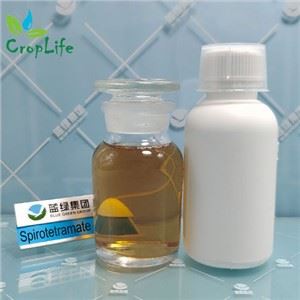


Our Service
Besides our existing molded products, our group and our research also can do the product as customer special demand, meet the oversea market demand. We control the product quality critically for every step during the manufacturing from custom. We offer technical support that is second to none.
Our Certificate
We regards product quality as the company life. We passed ISO9001, ISO14000:14001, China Quality, Service, and Credit AAA Enterprise.
Advanced Equipment
Scientific research center has 24 R&D personnel, more than 2,000 square meters of R&D experimental sites and 200 acres of experimental pilot test bases, equipped with advanced experimental equipment such as gas chromatographs, liquid chromatographs, and micrometers.
Our Products
Its products include plant growth regulators such as DA-6, atonik, GA3,NAA IBA, IAA, 6-BA, 6 KINETIN,CPPU,biofertilizer, mutual functional water-soluble fertilizer, lawn and garden care products, etc.
Use of Insecticides
Insects are a big threat to crops as they can consume plant foliage, roots, and stems, which can make them unsuitable for eating or other use and could also damage the plants. The use of insecticides is necessary to provide the best crop protection to combat these pests, some of which feed exclusively on certain crops. Before insecticides gained widespread use, a significant portion of the crops grown was consumed by insects and led to regular losses. While there are some biological controls in the environment, such as natural predators or parasites that attack the insects which feed on crops, there was little to no control over these factors. The crop protection that insecticides provide has played a big role in helping agriculture, especially when it comes to increasing yield.
There is a need for insecticides for almost all commercial agriculture requirements, including organic farming. As the interest in organic produce has grown, organic farmers have also found the need to use insecticides that are approved for organic use to protect their crops and prevent contamination from insects.
Try to monitor for pests at least once per week. Pay particular attention to the undersides of leaves where mites, whiteflies, aphids, and many insect eggs are often found. It is important to apply insecticides at the right time—preferably when the pest is in the immature stages . Be sure that you have correctly identified the insect.
With many organically approved insecticides, good plant coverage is essential to achieve control. Do not apply insecticides to wilted plants or during the hottest part of the day, or if wind speed is more than 5 to 10 miles per hour.
Apply insecticides only at the dosages recommended on the product label. Larger amounts can be dangerous, cause plant damage, and leave harmful residues without improving insect control.
The length of effective control provided by an insecticide varies widely, not only with the active ingredient and its formulation but also with the pH of the water used for mixing and with environmental conditions. Temperature, humidity, wind, and sunlight can all affect insecticide residues on the plant; the greater the extremes, the sooner the insecticides will be degraded.
The time interval required by the Environmental Protection Agency between treating a crop and harvesting that crop (the “pre-harvest interval”) varies with both the product and the crop. This interval is stated on the product label and is set at a level that ensures that any residues left at the time of harvest will be within acceptable limits.

Systemic insecticides
These are the insecticides that become a part of the plant through systematic distribution. Insects who then might feed on it, consume the insecticide plants and are eliminated. Systemic insecticides have residual or long-term activity.
Contact insecticides
This includes insecticides that can penetrate the skin of the insects. They are toxic to insects when they come in contact with it. They can be of many kinds including naturally occurring compounds and synthetic organic compounds. Contact insecticides generally have little to no residual activity.

Synthetic insecticides are the most common type of insecticide in use. They can be toxic to a wide range of insect species. Some of the main types of synthetic insecticides include
Chlorinated hydrocarbons
Also called organochlorines, chlorinated organics, chlorinated insecticides, and chlorinated synthetics, these insecticides contain carbon, chlorine, and hydrogen. Some of these insecticides had long residual action and were effective for long periods of time. They were developed in the 1940s but have since fallen out of use.
Organophosphates
These are insecticides containing phosphorus which are derived from one of the phosphorous acids. Organophosphates are effective in controlling insect populations since they inhibit the functioning of their nervous system. They are especially effective against sucking insects that feed on plant juices. They have little residual activity which is why they have become very popular in use as they can meet the residual tolerance limits that may be in place for crop production.
Carbamates
Carbamates are insecticides that are derived from carbamic acid. They are effective in eliminating insects but they can also be rapidly detoxified from mammal tissues, making them less toxic to animals and humans.
Insect pests can cause major crop loss or contamination if not managed timely. People are generally careful about choosing the right insecticide, but forget to check the condition of the spray equipment. This can lead insect control failure even when using the best of products. Poor spray application can also result in wasted products. Here are some quick reminders as the summer season starts.
Select the most appropriate sprayer based on insecticide label recommendations. Insecticides are available in a range of formulations, from liquids to dusts, emulsifiable concentrate to wettable granules. Some insecticides may not need any separate equipment as they are injected through the drip irrigation system for uniform application.
Small capacity backpack sprayers, choose the ones with thick walls (indicating quality) and wide opening on top for easy fill. A pressure release valve helps to quickly reduce excess pressure for cleaning or other applications. A metal spray boom with good quality nozzle can reduce leakage that occurs with cheap sprayers. Leaking spray boom can cause undesirable pesticide exposure to the applicator. On small farms, it is good to have separate backpack sprayers for insecticide and herbicide applications.
Check the wear and tear on the nozzle every year. Certain products with low water solubility can be very abrasive to the nozzles causing them to change spray patterns. Insecticide applications are generally made using hollow cone nozzles to get small spray droplets. Having the correct nozzle and spray pressure reduces drift and chances of misapplication especially on diversified farms (i.e., diverse crops planted close together).
Be careful about multiple product mixes (insecticide + fungicide or multiple insecticides) as incompatible products can settle down into a sludge and damage spray equipment. Unless recommended by the insecticide label, do a jar test with new materials to test compatibility.
Insecticides generally require fine spraying with spray droplet size of 150 to 250 micrometers. Herbicide and fertilizer applications may require much coarser spray volume. In small plot organic research with various hand-held or backpack spray equipment, spray applications from bottom of plants with nozzle facing upward at an angle has performed better than top-down spray applications where the product simply rolls off the leaves. Add a spreader/sticker to increase product retention and distribution on plant leaves.
Wear appropriate personal protection equipment (PPE) whether you are going to apply conventional or organic insecticide. Taking proper precaution for protecting personal health is important.


Explaining Common Active Ingredients
Knowledge of the most common insecticide active ingredients is essential for pest control. Effective pesticides rely on these active ingredients. Common active ingredients include pyrethroids, neonicotinoids, organophosphates, carbamates, and plant extracts.
Pyrethrins are produced from chrysanthemum flowers. They assault insect nerves to paralyze and kill. Neonicotinoids, on the other hand, kill many insects by inhibiting their nervous systems.
In a different category, organophosphates and carbamates block nerve-essential acetylcholinesterase. These active ingredients inhibit this enzyme, causing acetylcholine accumulation and nerve overstimulation, ultimately paralyzing pests.
For natural pest control, pyrethrum, rotenone, and neem oil are commonly used. These plant-derived active ingredients repel or kill bugs by disrupting their physiological processes.
Understand these common insecticide active ingredients to choose pest control products based on your bug target and toxicity tolerance. The mode of action and pest effectiveness of each active component vary. Knowing these active ingredients lets you prevent pests and maximize results.
The Effects Of Active Ingredients On Pests
Pesticides encompass active ingredients that exert control over pests through diverse mechanisms, impacting their nervous systems, development, and reproduction.
A common mode of action involves the disruption of the nervous system. Active ingredients such as pyrethroids and neonicotinoids specifically target insects' nervous systems. By disrupting nerve signals, these substances induce paralysis, ultimately leading to the death of the affected pests. The efficacy of nerve-affecting active ingredients extends to a wide range of insects, making them versatile components in pest control strategies.
Other active ingredients impede neuron metabolic enzymes: organophosphates and carbamates. This inhibition causes nerves to overstimulate and paralyze pests by accumulating chemical compounds.
Besides targeting the nervous system, certain active ingredients affect insect development and reproduction. IGRs change insect hormones, reducing growth and reproduction. By inhibiting molting and egg production, IGRs control pest populations.
Selecting the proper insecticide for pest control requires understanding active ingredients. Understand active ingredients for targeted pest control. Product directions must be followed for insecticide safety.
Insecticides With Natural Active Ingredients
Without synthetic active ingredients, natural pesticides can control or repel bugs. Pest control using natural ingredients is greener and safer.
Natural options include essential oils. Essential oils of peppermint, lavender, and citronella repel. They can repel pests whether sprayed, dispersed, or applied directly. Pests are less attractive because these oils impair sensory receptors.
Natural options include diatomaceous earth, a powder made from fossilized aquatic animals. Pests die from diatomaceous earth dehydration. Strongest against ants, cockroaches, and bed bugs, it is a popular natural pest control method that is safe for humans and pets.
Pyrethrum and neem oil are natural pesticides. Neem tree oil stops pest reproduction and feeding. Pyrethrum, an insecticide, comes from chrysanthemum flowers.
Natural pest control helps the environment. Alternatives that biodegrade leave no chemicals. They harm beneficial insects, birds, and other species less. Organic farming and gardening are safe with them, promoting eco-friendly insect control.
Assessing Active Ingredient Insecticide Effectiveness
In assessing insecticide effectiveness, the foremost consideration should be given to the active ingredients present in the formulation. The efficacy of an insecticide is determined by how its active ingredients work and their compatibility with specific pests.
It is crucial to prioritize target pests during the selection process, as different pests react uniquely to various active ingredients. For example, certain active ingredients may effectively target mosquitoes but may not be as effective against ants. Understanding which active ingredients work best against specific pests is vital for successful pest control.
Moreover, the chosen application method can significantly impact insecticide effectiveness. Some active ingredients may perform better when applied as sprays, granules, or dust. To achieve optimal results, it is essential to follow the manufacturer's application instructions carefully. Ensure the specific insecticide formulation employs the appropriate method.
Additionally, resistance management is essential. If pests become resistant to the insecticide's active ingredients, it may lose effectiveness. Rotate active ingredients or use multi-mode insecticides for effectiveness and resistance prevention.
Never store insecticide in any food or drink containers
People, especially children, recognize the shape and color of these types of containers, and they may mistake them for something safe to eat or drink, causing an accidental poisoning.
Keep insecticide stored in cool, dry, and well-lit areas
The storage area should prevent temperature extremes as very high or very low temperatures can cause insecticide deterioration. Proper lighting helps ensure the correct insecticide for the task is chosen. In addition, any leaks or spills can be seen and cleaned up immediately.
Never store insecticide in cabinets near these places
Don't store insecticide in cabinets near food, potable water, animal feed, medical supplies, protective clothing, seed, fertilizers, or gasoline.
This will prevent contamination of these products from vapors, dusts, or spills, and reduce the likelihood of accidental human, animal, or environmental exposure.
Never store insecticide in application equipment
To avoid the problem of excess mixture, carefully calculate and measure the amount of insecticide required for the application.
After applying, if excess mixture remains in application equipment, such as sprayers and spreaders, it should be applied according to label directions to your property.


 English